
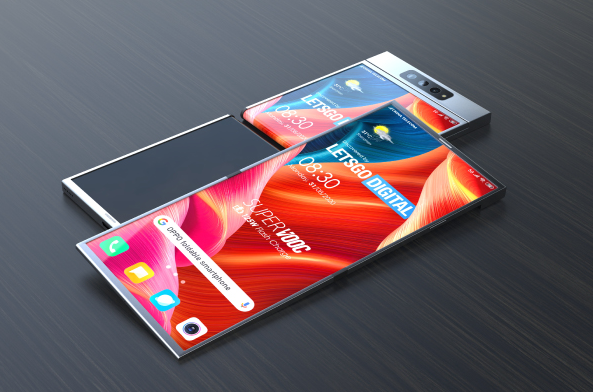
The rapid evolution of mobile technology has already transformed the way we live, work, and communicate. From simple calling devices to powerful pocket-sized computers, smartphones have become an essential part of modern life. But what will the future of smartphones look like by 2030? With breakthroughs in Artificial Intelligence trends, advanced hardware, and emerging connectivity, the next generation of smartphones is set to redefine innovation in ways we can barely imagine today.
In this article, we explore the future smartphone technology, the trends shaping it, and how these innovations will impact our daily lives.
1. AI-Powered Smartphones Will Become Truly Intelligent
One of the most significant developments in the future of smartphones is the integration of advanced artificial intelligence (AI). By 2030, smartphones will no longer just respond to commands—they will predict user needs and act proactively.
Key AI Advancements:
- Personalized AI Assistants that understand habits, preferences, and emotions
- Real-time language translation without internet dependency
- Predictive actions such as booking appointments or replying to messages automatically
AI will transform smartphones into digital companions, capable of making decisions and simplifying complex tasks. These advancements align closely with current Artificial Intelligence trends, which focus on automation, personalization, and contextual understanding.
2. Foldable and Flexible Displays Will Become Standard
The concept of foldable smartphones has already entered the market, but by 2030, it will become mainstream. Future devices will feature fully flexible and even rollable displays, allowing users to expand their screens on demand.
What to Expect:
- Ultra-thin, durable materials that can bend without damage
- Phones that transform into tablets or even laptops
- Seamless multitasking with larger, adaptive screens
This innovation will eliminate the need for multiple devices, creating a single, all-in-one smart device.
3. Battery Technology Will Dramatically Improve
Battery life remains one of the biggest limitations of current smartphones. However, by 2030, next-generation battery technologies will revolutionize how we use our devices.
Future Battery Innovations:
- Solid-state batteries offering longer life and faster charging
- Charging a phone to 100% in under 10 minutes
- Wireless charging at a distance (no cables or charging pads needed)
With these improvements, users can expect multi-day battery life, making power concerns a thing of the past.
4. 6G Connectivity Will Redefine Speed and Communication
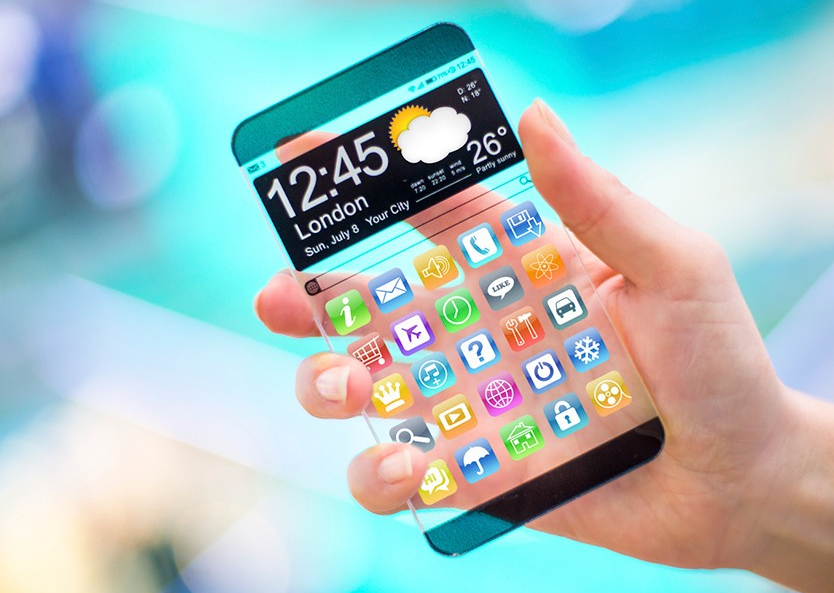
While 5G is still expanding globally, researchers are already working on 6G technology, expected to be fully operational by 2030.
Benefits of 6G:
- Speeds up to 100 times faster than 5G
- Near-zero latency for real-time communication
- Enhanced support for augmented reality (AR) and virtual reality (VR)
This will enable instant data transfer, immersive digital experiences, and seamless connectivity between devices in a hyper-connected world.
5. Augmented Reality Will Replace Screens
By 2030, smartphones may not even rely heavily on traditional screens. Instead, Augmented Reality (AR) will play a central role in user interaction.
AR Features in Future Smartphones:
- Holographic displays projected into the air
- AR glasses connected to smartphones for immersive experiences
- Real-time navigation overlays in the physical world
Imagine walking through a city while your phone projects directions directly onto your surroundings—this is the future of smartphone interfaces.
6. Advanced Camera Systems Will Rival Professional Equipment
Smartphone cameras have already reached impressive levels, but by 2030, they will rival professional photography gear.
Camera Innovations:
- AI-enhanced image processing for perfect shots every time
- 3D and holographic video recording
- Improved low-light and zoom capabilities without quality loss
Users will be able to capture cinema-quality content using just their smartphones, making content creation more accessible than ever.
7. Enhanced Security with Biometrics and Beyond
Security will be a top priority in the future of smartphones. Traditional passwords and PINs will become obsolete, replaced by advanced biometric systems.
Future Security Features:
- Facial recognition combined with behavioral analysis
- Under-display fingerprint sensors with higher accuracy
- DNA-based or heartbeat recognition technologies
These innovations will ensure maximum data protection, reducing the risk of cyber threats and identity theft.
8. Sustainable and Eco-Friendly Smartphones
As environmental concerns grow, smartphone manufacturers will focus on sustainability.
Eco-Friendly Trends:
- Devices made from recycled and biodegradable materials
- Modular designs for easy repair and upgrades
- Energy-efficient components to reduce carbon footprint
By 2030, consumers will prioritize green technology, pushing brands to adopt more environmentally responsible practices.
9. Seamless Integration with Smart Ecosystems
Future smartphones will act as the central hub of smart ecosystems, connecting with homes, cars, and wearable devices.
Integration Examples:
- Controlling smart homes with a single device
- Synchronizing with autonomous vehicles
- Real-time health monitoring via wearable tech
This will create a fully connected lifestyle, where smartphones manage and optimize everyday activities.
10. Brain-Computer Interfaces Could Become Reality
Perhaps the most futuristic innovation is the development of brain-computer interfaces (BCIs). By 2030, early versions of this technology may be integrated with smartphones.
What This Means:
- Controlling devices using thoughts
- Faster communication without typing or speaking
- Enhanced accessibility for people with disabilities
While still in development, BCIs could redefine how humans interact with technology, marking a new era of digital interaction.
Conclusion: The Smartphone of 2030 Will Be a Game-Changer
The future of smartphones in 2030 promises a world where technology is more intelligent, immersive, and seamlessly integrated into our lives. From AI-driven assistants and flexible displays to 6G connectivity and AR experiences, smartphones will evolve far beyond their current capabilities.
As these innovations unfold, smartphones will no longer be just tools—they will become essential extensions of human life, enhancing productivity, creativity, and connectivity in unprecedented ways.
For businesses, developers, and consumers alike, staying updated with Artificial Intelligence trends and emerging technologies will be crucial in adapting to this rapidly changing landscape.