
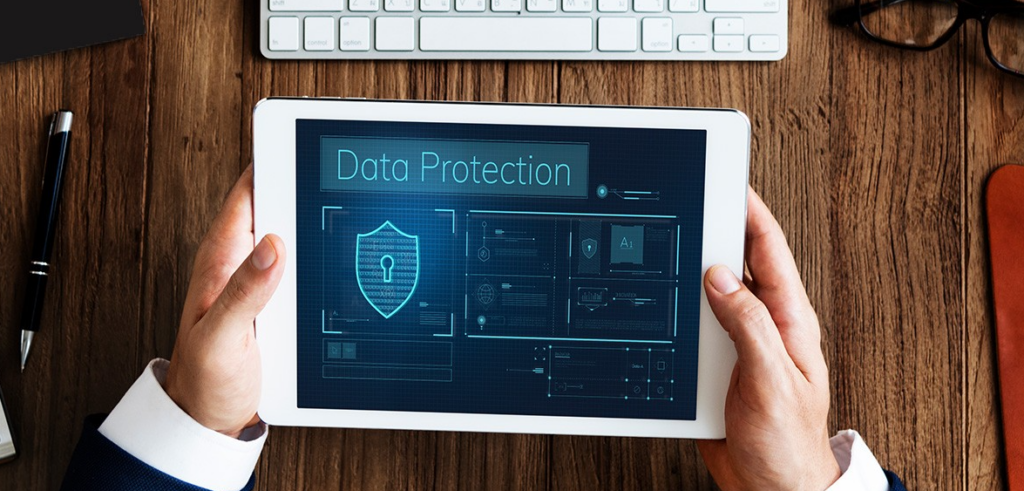
In today’s hyper-connected world, cybersecurity is no longer a luxury—it is a necessity. As more people rely on digital platforms for communication, banking, shopping, and business operations, the risk of cyber threats continues to grow. From identity theft to data breaches, cybercriminals are constantly evolving their tactics. This makes understanding how to protect your data online more critical than ever.
In this comprehensive guide, we will explore the importance of cybersecurity, common threats, and practical strategies to keep your digital life safe.
What Is Cybersecurity?
Cybersecurity refers to the practice of protecting systems, networks, and data from digital attacks. These attacks are typically aimed at accessing, altering, or destroying sensitive information, extorting money, or disrupting normal business operations.
In the digital age, cybersecurity covers a wide range of technologies, processes, and practices designed to safeguard:
- Personal data (passwords, financial details)
- Business information (customer databases, intellectual property)
- Government systems and infrastructure
With the rise of cloud computing, mobile devices, and remote work, the need for strong cybersecurity measures has increased exponentially.
Why Cybersecurity Is Important in the Digital Age
The digital transformation has brought convenience, but it has also introduced significant risks. Here are some key reasons why cybersecurity is essential:
1. Protecting Personal Information
Every time you browse the internet, you leave behind digital footprints. Without proper security, hackers can steal your personal data and use it for malicious purposes.
2. Preventing Financial Loss
Cyberattacks such as phishing and ransomware can lead to significant financial losses. Individuals and businesses alike are vulnerable.
3. Safeguarding Business Reputation
A single data breach can damage a company’s reputation and lead to loss of customer trust.
4. Ensuring Privacy
Cybersecurity helps maintain your online privacy by preventing unauthorized access to your data.
Common Cybersecurity Threats You Should Know
Understanding the threats is the first step toward protection. Below are the most common cyber threats in the digital age:
1. Phishing Attacks
Phishing involves tricking users into providing sensitive information through fake emails or websites. These messages often appear to come from trusted sources.
2. Malware
Malicious software, or malware, includes viruses, worms, and trojans designed to damage or gain unauthorized access to your system.
3. Ransomware
Ransomware locks your data and demands payment to restore access. It has become one of the most dangerous cyber threats in recent years.
4. Data Breaches
A data breach occurs when unauthorized individuals gain access to confidential data, often due to weak security systems.
5. Man-in-the-Middle Attacks
In this type of attack, hackers intercept communication between two parties to steal data.
How to Protect Your Data Online
Now that you understand the risks, let’s explore practical cybersecurity tips to protect your data online.
1. Use Strong and Unique Passwords
One of the simplest yet most effective ways to enhance cybersecurity is by using strong passwords. Avoid common passwords like “123456” or “password.”
Best practices:
- Use a mix of letters, numbers, and symbols
- Create passwords with at least 12 characters
- Avoid using the same password across multiple accounts
Consider using a password manager to store and generate secure passwords.
2. Enable Two-Factor Authentication (2FA)
Two-factor authentication (2FA) adds an extra layer of security by requiring a second form of verification, such as a code sent to your phone.
Even if a hacker obtains your password, they cannot access your account without the second factor.
3. Keep Your Software Updated
Outdated software often contains security vulnerabilities that hackers can exploit.
Make sure to:
- Update your operating system regularly
- Install updates for apps and browsers
- Use antivirus software and keep it up to date
Automatic updates can help ensure you never miss critical security patches.
4. Be Cautious with Emails and Links
Phishing attacks are becoming increasingly sophisticated. Always verify the source before clicking on links or downloading attachments.
Tips to stay safe:
- Check the sender’s email address carefully
- Avoid clicking on suspicious links
- Do not share sensitive information via email
5. Use Secure Wi-Fi Connections
Public Wi-Fi networks are often unsecured, making them a hotspot for cyberattacks.
To protect your data:
- Avoid accessing sensitive accounts on public Wi-Fi
- Use a Virtual Private Network (VPN)
- Turn off automatic Wi-Fi connections
6. Backup Your Data Regularly
Regular backups ensure that you can recover your data in case of a cyberattack or hardware failure.
Backup options include:
- External hard drives
- Cloud storage services
- Automated backup systems
7. Install Reliable Security Software
Antivirus and anti-malware programs are essential tools for detecting and preventing cyber threats.
Choose reputable software that offers:
- Real-time protection
- Regular updates
- Firewall integration
8. Limit the Information You Share Online
Oversharing on social media can make you an easy target for cybercriminals.
Be mindful of:
- Personal details (address, phone number)
- Travel plans
- Financial information
The less information you share, the lower your risk.
Cybersecurity for Businesses
Businesses face even greater risks due to the volume of data they handle. Implementing strong cybersecurity measures is crucial.
Key strategies include:
- Employee cybersecurity training
- Regular security audits
- Data encryption
- Access control policies
A proactive approach can prevent costly data breaches and ensure long-term success.
The Future of Cybersecurity
As technology continues to evolve, so do cyber threats. Emerging technologies like artificial intelligence (AI) and the Internet of Things (IoT) are creating new challenges in cybersecurity.
However, they also offer innovative solutions, such as:
- AI-powered threat detection
- Advanced encryption methods
- Behavioral analytics
Staying informed about the latest trends is essential for maintaining strong cybersecurity.
Conclusion
Cybersecurity in the digital age is more important than ever. With increasing reliance on digital platforms, protecting your data online should be a top priority. By understanding common threats and implementing best practices such as strong passwords, two-factor authentication, and secure connections, you can significantly reduce your risk.
Whether you are an individual or a business, investing in cybersecurity is not just about protection—it’s about peace of mind in an increasingly digital world.