
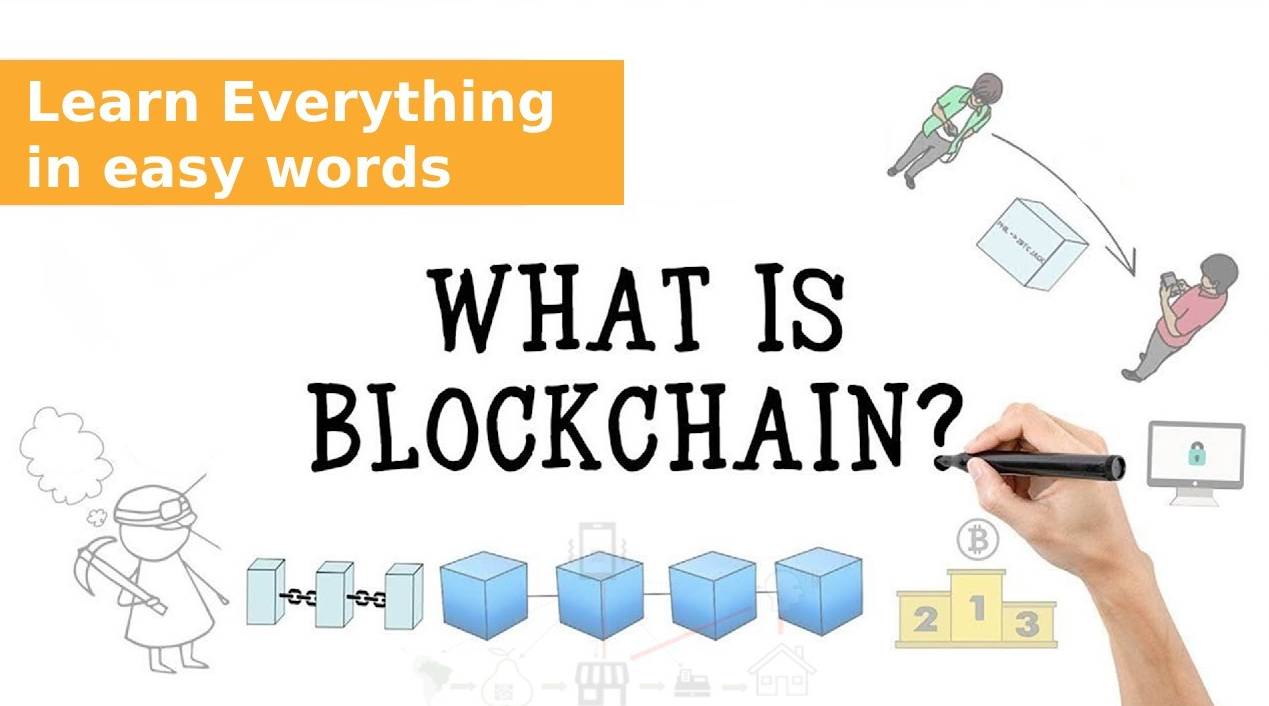
In recent years, blockchain technology has emerged as one of the most transformative innovations in the digital world. From powering cryptocurrencies like Bitcoin to revolutionizing industries such as finance, healthcare, and supply chain, blockchain is changing how data is stored, verified, and shared.
In this comprehensive guide, you’ll learn what blockchain technology is, how it works, its key features, real-world applications, and why it matters for the future.
What Is Blockchain Technology?
Blockchain technology is a decentralized digital ledger that records transactions across multiple computers in a secure, transparent, and tamper-resistant way.
Unlike traditional databases controlled by a central authority, blockchain operates on a peer-to-peer network, meaning no single entity has full control over the system.
Each record in the blockchain is called a block, and these blocks are linked together in a chain—hence the name blockchain.
Key Characteristics of Blockchain
- Decentralization – No central authority controls the data
- Transparency – Transactions are visible to all participants
- Security – Cryptographic techniques protect data
- Immutability – Once recorded, data cannot be altered
How Does Blockchain Technology Work?
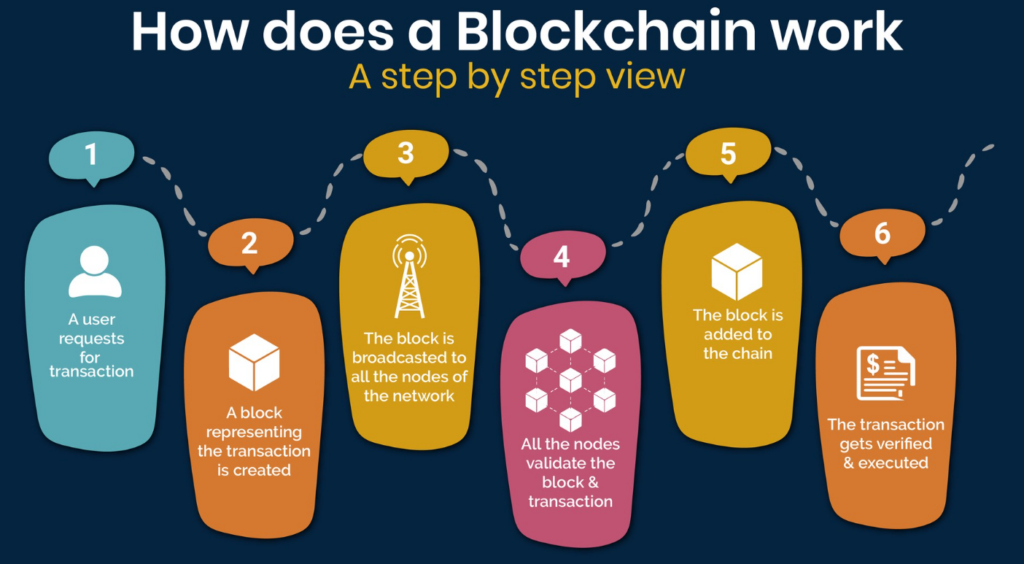
To understand how blockchain works, let’s break it down step by step.
1. Transaction Initiation
A user initiates a transaction, such as sending cryptocurrency or recording data.
2. Transaction Verification
The transaction is broadcast to a network of computers called nodes. These nodes validate the transaction using consensus mechanisms.
3. Block Creation
Once verified, the transaction is grouped with others into a block.
4. Consensus Mechanism
The network agrees on the validity of the block through mechanisms like:
- Proof of Work (PoW)
- Proof of Stake (PoS)
5. Adding to the Blockchain
The verified block is added to the existing chain in chronological order.
6. Permanent Record
Once added, the data becomes immutable, meaning it cannot be changed or deleted.
Core Components of Blockchain
Understanding blockchain requires familiarity with its main components:
1. Blocks
Each block contains:
- Transaction data
- Timestamp
- Cryptographic hash of the previous block
2. Nodes
Nodes are computers that maintain and validate the blockchain network.
3. Hashing
Hashing converts data into a fixed-length string, ensuring security and integrity.
4. Consensus Algorithms
These are rules that help nodes agree on the validity of transactions.
Types of Blockchain
There are several types of blockchain networks:
1. Public Blockchain
Open to everyone. Example: Ethereum
2. Private Blockchain
Restricted access, typically used by organizations.
3. Consortium Blockchain
Controlled by a group of organizations.
4. Hybrid Blockchain
Combines features of public and private blockchains.
Benefits of Blockchain Technology
1. Enhanced Security
Blockchain uses advanced cryptography, making it extremely difficult for hackers to alter data.
2. Transparency and Trust
All participants can view the same data, increasing trust among users.
3. Reduced Costs
Eliminates intermediaries such as banks and third parties.
4. Faster Transactions
Especially in cross-border payments, blockchain can significantly reduce processing time.
Real-World Applications of Blockchain
Blockchain is not just about cryptocurrencies—it has wide-ranging applications:
1. Cryptocurrencies
Blockchain powers digital currencies like Bitcoin and Ethereum.
2. Supply Chain Management
Companies use blockchain to track goods in real time and ensure authenticity.
3. Healthcare
Securely stores patient records and ensures data privacy.
4. Smart Contracts
Self-executing contracts with predefined rules. These are widely used on platforms like Ethereum.
5. Finance and Banking
Enables faster, more secure transactions and reduces fraud.
Challenges of Blockchain Technology
Despite its advantages, blockchain faces several challenges:
1. Scalability Issues
Handling large volumes of transactions can be slow.
2. Energy Consumption
Some consensus mechanisms like Proof of Work require significant energy.
3. Regulatory Uncertainty
Governments are still developing policies around blockchain use.
4. Complexity
Understanding and implementing blockchain requires technical expertise.
The Future of Blockchain Technology
The future of blockchain looks promising as more industries adopt it. Innovations like Web3, decentralized finance (DeFi), and NFTs are expanding blockchain’s potential.
Major companies such as IBM and Microsoft are investing heavily in blockchain solutions, signaling strong long-term growth.
As technology evolves, blockchain is expected to:
- Improve scalability and efficiency
- Integrate with artificial intelligence
- Transform digital identity systems
Conclusion
Blockchain technology is revolutionizing how we store and share data by offering a decentralized, secure, and transparent system. From powering cryptocurrencies like Bitcoin to enabling smart contracts and transforming industries, its impact is undeniable.
Understanding how blockchain works is essential for anyone looking to stay ahead in the digital era. As adoption continues to grow, blockchain will play a critical role in shaping the future of technology and global business.