
A Future Shaped by Artificial Intelligence
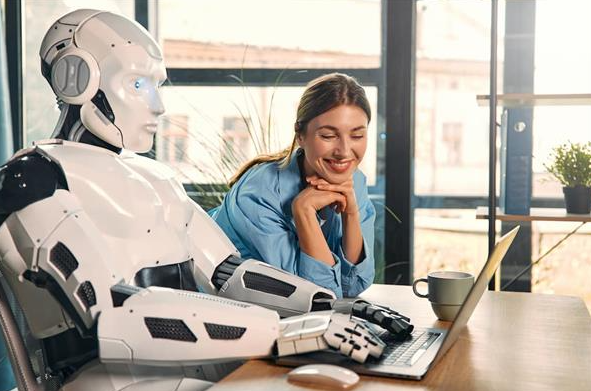
The impact of AI on jobs has become one of the most debated topics in today’s rapidly evolving digital world. From self-driving cars to intelligent chatbots, Artificial Intelligence (AI) is transforming industries at an unprecedented pace. As businesses increasingly adopt automation and machine learning, a pressing question arises: Will robots replace humans?
This article explores how AI is reshaping the workforce, which jobs are most at risk, and whether humans and machines can coexist in the future economy.
What Is Artificial Intelligence?
Before diving into its effects, it’s important to understand what AI really is. Artificial Intelligence refers to computer systems designed to perform tasks that typically require human intelligence. These tasks include:
- Learning from data
- Recognizing patterns
- Making decisions
- Understanding natural language
Technologies like machine learning, deep learning, and natural language processing are all part of the broader AI ecosystem.
The Rise of Automation in the Workplace
One of the most visible impacts of AI is the rise of automation. Businesses are leveraging AI to streamline operations, reduce costs, and improve efficiency.
Industries Most Affected by AI
Several industries are already experiencing significant transformation:
1. Manufacturing
Robots have been used in manufacturing for decades, but AI-powered robots are now more adaptable and efficient. They can learn tasks, detect defects, and even collaborate with humans.
2. Customer Service
AI chatbots and virtual assistants are replacing human agents for basic inquiries. They provide 24/7 support and handle thousands of requests simultaneously.
3. Transportation
Self-driving technology is revolutionizing logistics and transportation, potentially reducing the need for human drivers.
4. Healthcare
AI is assisting doctors in diagnosing diseases, analyzing medical images, and even predicting patient outcomes.
Will Robots Replace Humans Completely?
The short answer is no—but the reality is more complex.
Jobs at High Risk of Automation
Certain types of jobs are more vulnerable, especially those that are:
- Repetitive
- Routine-based
- Low-skilled
Examples include:
- Data entry clerks
- Assembly line workers
- Cashiers
- Telemarketers
AI systems can perform these tasks faster, cheaper, and without fatigue.
Jobs That Are Safer from AI
On the other hand, jobs that require creativity, emotional intelligence, and critical thinking are less likely to be replaced. These include:
- Teachers
- Psychologists
- Creative professionals (writers, designers)
- Healthcare providers
Human intuition and empathy are still difficult for machines to replicate.
The Creation of New Job Opportunities
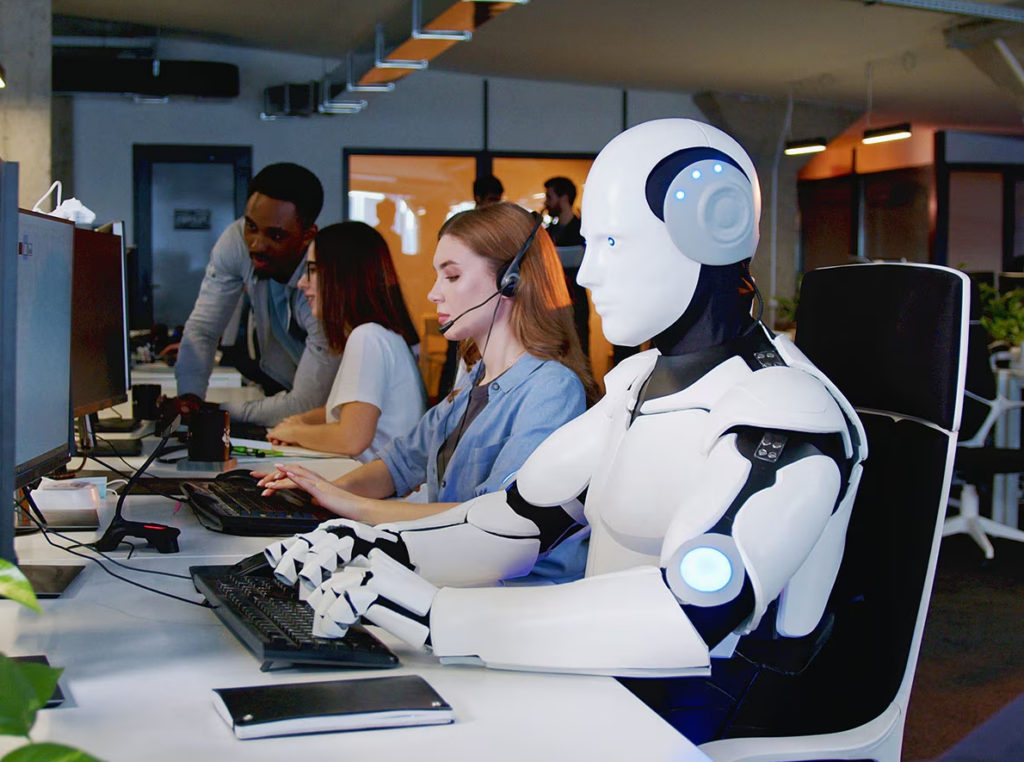
While AI may eliminate certain roles, it also creates new jobs. Historically, technological revolutions have always led to job transformation rather than total job loss.
Emerging AI-Driven Careers
Some of the fastest-growing roles include:
- AI engineers
- Data scientists
- Machine learning specialists
- Robotics technicians
- AI ethics consultants
These jobs require advanced skills and offer high earning potential.
The Shift Toward Skill-Based Employment
The impact of AI on jobs is not just about loss—it’s about transformation. Workers must adapt by acquiring new skills.
Essential Skills for the AI Era
To stay competitive, individuals should focus on:
- Digital literacy
- Problem-solving skills
- Adaptability
- Critical thinking
- Emotional intelligence
Upskilling and reskilling are becoming essential for long-term career success.
Human + AI Collaboration: The Future of Work
Rather than replacing humans, AI is increasingly augmenting human capabilities.
Examples of Collaboration
- Doctors using AI to improve diagnosis accuracy
- Marketers leveraging AI for data-driven campaigns
- Engineers using AI for predictive maintenance
In many cases, the best results come from humans and machines working together.
Economic and Social Impacts
The widespread adoption of AI has broader implications beyond individual jobs.
1. Income Inequality
High-skilled workers may benefit more from AI, while low-skilled workers face greater risk of displacement.
2. Job Polarization
Middle-skill jobs may decline, leading to growth in both high-skill and low-skill roles.
3. Global Competition
Countries investing heavily in AI may gain a competitive advantage in the global economy.
How Governments and Businesses Can Respond
To manage the impact of AI on jobs, proactive measures are needed.
Government Initiatives
- Investing in education and training programs
- Supporting displaced workers
- Creating policies for ethical AI use
Business Strategies
- Encouraging continuous learning
- Providing employee training programs
- Adopting responsible AI practices
Common Myths About AI and Jobs
Myth 1: AI Will Take All Jobs
Reality: AI will transform jobs, not eliminate them entirely.
Myth 2: Only Low-Skilled Jobs Are Affected
Reality: Even high-skilled professions are evolving due to AI.
Myth 3: AI Has No Limitations
Reality: AI lacks human creativity, ethics, and emotional depth.
Preparing for the Future
The future of work will be defined by adaptability. Individuals, businesses, and governments must embrace change rather than resist it.
What You Can Do Today
- Learn new digital skills
- Stay updated with AI trends
- Be open to career changes
- Invest in lifelong learning
Conclusion: A New Era, Not the End of Work
The impact of AI on jobs is undeniable, but it does not signal the end of human employment. Instead, it marks the beginning of a new era where humans and AI coexist and collaborate.
Robots may replace certain tasks, but they cannot replace the human spirit, creativity, and emotional intelligence that define us. The key to thriving in this new landscape is not to fear AI—but to adapt, evolve, and grow alongside it.