
The Rise of a Connected World
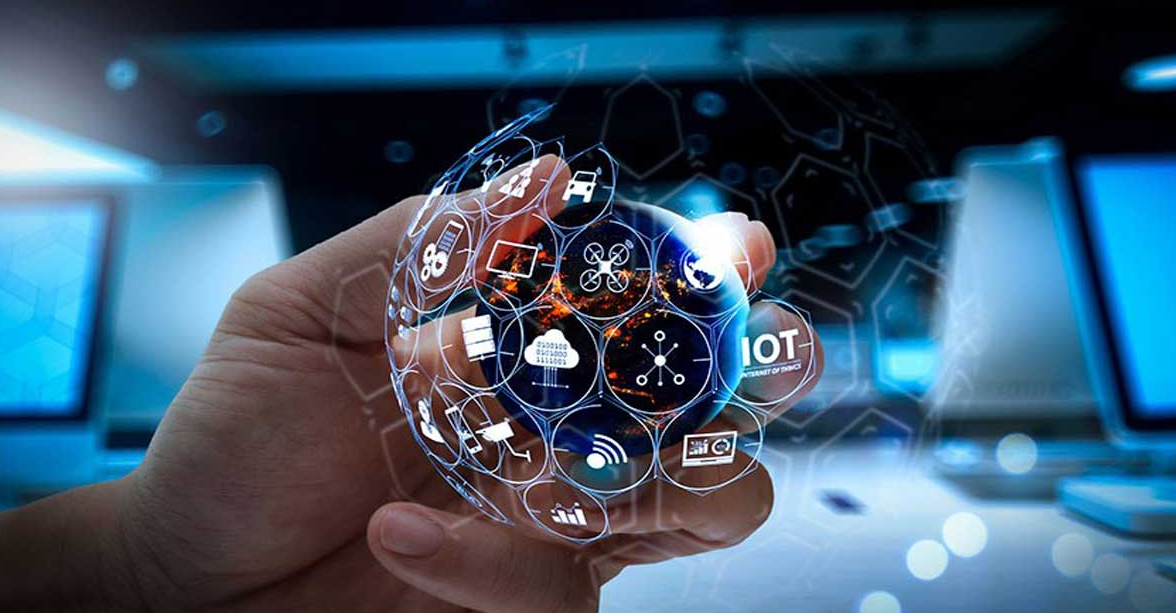
In today’s fast-evolving digital landscape, the Internet of Things (IoT) has emerged as one of the most transformative technologies shaping the future. From smart homes and wearable devices to connected cars and industrial automation, IoT is redefining how humans interact with technology. By enabling everyday objects to connect, communicate, and share data, IoT is creating a seamlessly interconnected ecosystem that improves efficiency, convenience, and decision-making.
As businesses and consumers increasingly adopt smart devices, understanding the potential of IoT becomes crucial. This article explores what IoT is, how it works, its key applications, benefits, challenges, and the future of this revolutionary technology.
What is the Internet of Things (IoT)?
The Internet of Things (IoT) refers to a network of physical devices embedded with sensors, software, and connectivity that allow them to collect and exchange data over the internet. These devices range from simple household items like smart thermostats to complex industrial machinery.
In essence, IoT transforms “dumb” objects into intelligent systems capable of real-time communication. For example, a smart refrigerator can track food inventory, while a connected car can monitor performance and alert drivers about maintenance issues.
Key Components of IoT
To fully understand IoT, it’s important to look at its core components:
- Devices/Sensors: Collect data from the environment
- Connectivity: Enables communication via Wi-Fi, Bluetooth, or cellular networks
- Data Processing: Analyzes collected data using cloud computing or edge computing
- User Interface: Allows users to interact with devices through apps or dashboards
How IoT Works
The working mechanism of IoT is relatively simple yet powerful. Devices equipped with sensors gather data and send it to a centralized system or cloud platform. Advanced analytics tools then process this data and provide actionable insights.
For instance, in a smart home system:
- Sensors detect temperature changes
- Data is transmitted to a cloud server
- The system analyzes the data
- The thermostat automatically adjusts the temperature
This automation reduces manual effort and enhances efficiency, making everyday life more convenient.
Applications of IoT Across Industries
The Internet of Things (IoT) is not limited to personal use—it has widespread applications across multiple industries.
1. Smart Homes
Smart home technology is one of the most popular uses of IoT. Devices such as smart lights, security cameras, and voice assistants enable homeowners to control their environment remotely.
Benefits include:
- Energy efficiency
- Enhanced security
- Convenience and automation
2. Healthcare
IoT is revolutionizing healthcare through remote patient monitoring and smart medical devices. Wearables can track vital signs such as heart rate, blood pressure, and sleep patterns.
Impact:
- Early disease detection
- Improved patient care
- Reduced hospital visits
3. Industrial IoT (IIoT)
In the industrial sector, IoT improves productivity through predictive maintenance and real-time monitoring.
Examples:
- Smart factories
- Automated supply chains
- Equipment performance tracking
4. Smart Cities
IoT plays a vital role in building smart cities by optimizing infrastructure and public services.
Applications include:
- Traffic management systems
- Smart waste management
- Energy-efficient street lighting
5. Agriculture
IoT helps farmers monitor soil conditions, weather patterns, and crop health.
Advantages:
- Increased crop yield
- Efficient water usage
- Reduced operational costs
Benefits of the Internet of Things
The rapid adoption of IoT is driven by its numerous advantages:
1. Improved Efficiency
Automation reduces human intervention and streamlines processes, saving time and resources.
2. Real-Time Data Insights
IoT enables businesses to make data-driven decisions through real-time analytics.
3. Cost Savings
Predictive maintenance and energy optimization help reduce operational costs.
4. Enhanced User Experience
Smart devices offer personalized experiences, improving customer satisfaction.
5. Better Resource Management
IoT helps optimize the use of resources such as energy, water, and raw materials.
Challenges of IoT Implementation
Despite its benefits, the Internet of Things (IoT) also faces several challenges:
1. Security Concerns
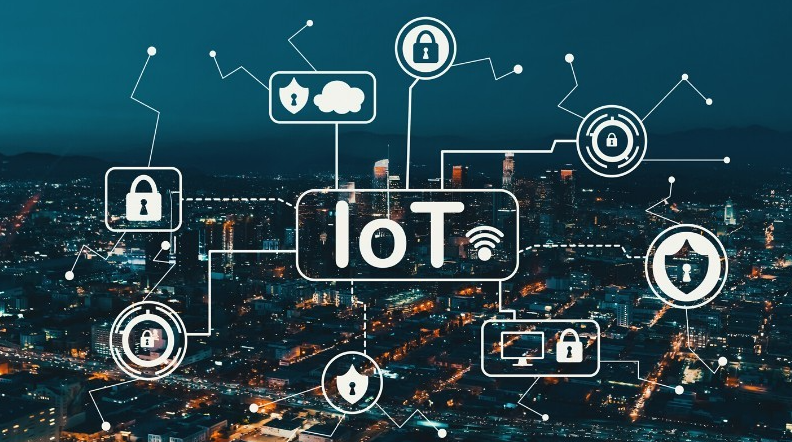
With billions of connected devices, IoT systems are vulnerable to cyberattacks and data breaches.
2. Data Privacy Issues
Sensitive user data collected by IoT devices raises privacy concerns.
3. Interoperability
Different devices and platforms may not be compatible, leading to integration issues.
4. High Implementation Costs
Initial setup and infrastructure costs can be significant for businesses.
5. Data Overload
Managing and analyzing massive amounts of data can be challenging.
The Future of IoT
The future of IoT is incredibly promising. With advancements in Artificial Intelligence (AI), 5G technology, and edge computing, IoT systems are becoming more powerful and efficient.
Emerging Trends
- AI Integration: Smarter decision-making through machine learning
- 5G Connectivity: Faster and more reliable communication
- Edge Computing: Reduced latency and improved performance
- Smart Wearables: Expansion of health-focused devices
- Autonomous Systems: Self-driving cars and automated industries
As technology continues to evolve, IoT will play a central role in shaping a more connected and intelligent world.
SEO Keywords to Target
To optimize this article for search engines, here are key keywords included:
- Internet of Things (IoT)
- smart devices
- IoT applications
- IoT benefits
- IoT in healthcare
- smart homes technology
- industrial IoT
- future of IoT
Conclusion
The Internet of Things (IoT) is transforming the way we live and work by connecting the physical and digital worlds. From enhancing everyday convenience to revolutionizing industries, IoT offers limitless possibilities.
While challenges such as security and data privacy remain, ongoing technological advancements are addressing these issues. As adoption continues to grow, IoT will become an integral part of our daily lives, driving innovation and efficiency across the globe.
In a world where everything is connected, the Internet of Things is not just a trend—it is the foundation of the future.